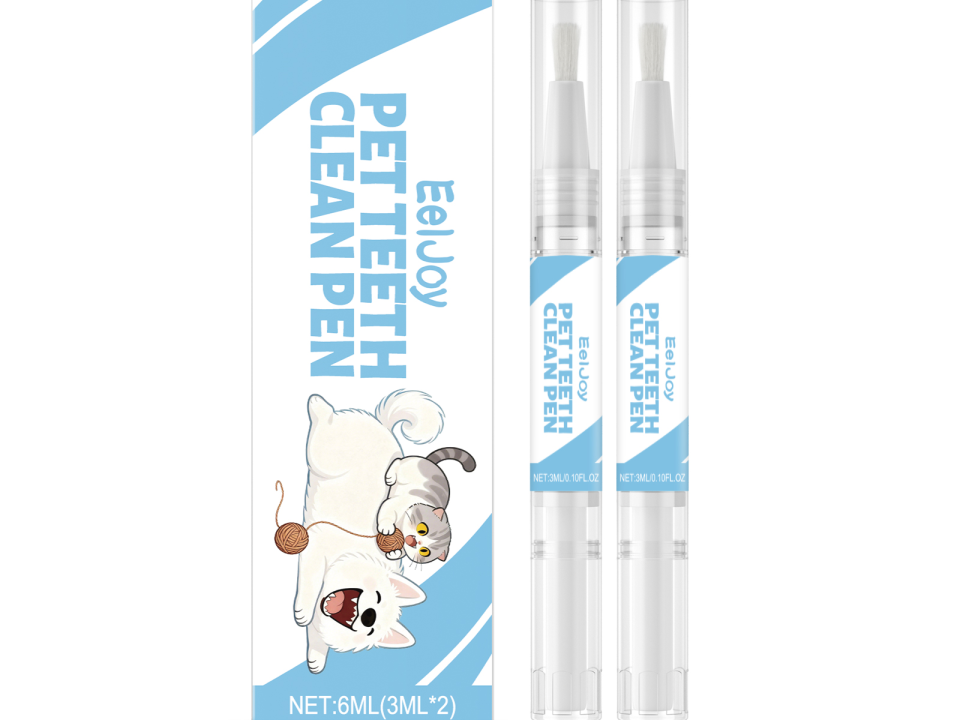

A Simple Dental Care Routine for Dogs and Cats
October 5, 2026
A Simple At-Home Grooming Routine for Dogs
October 14, 2026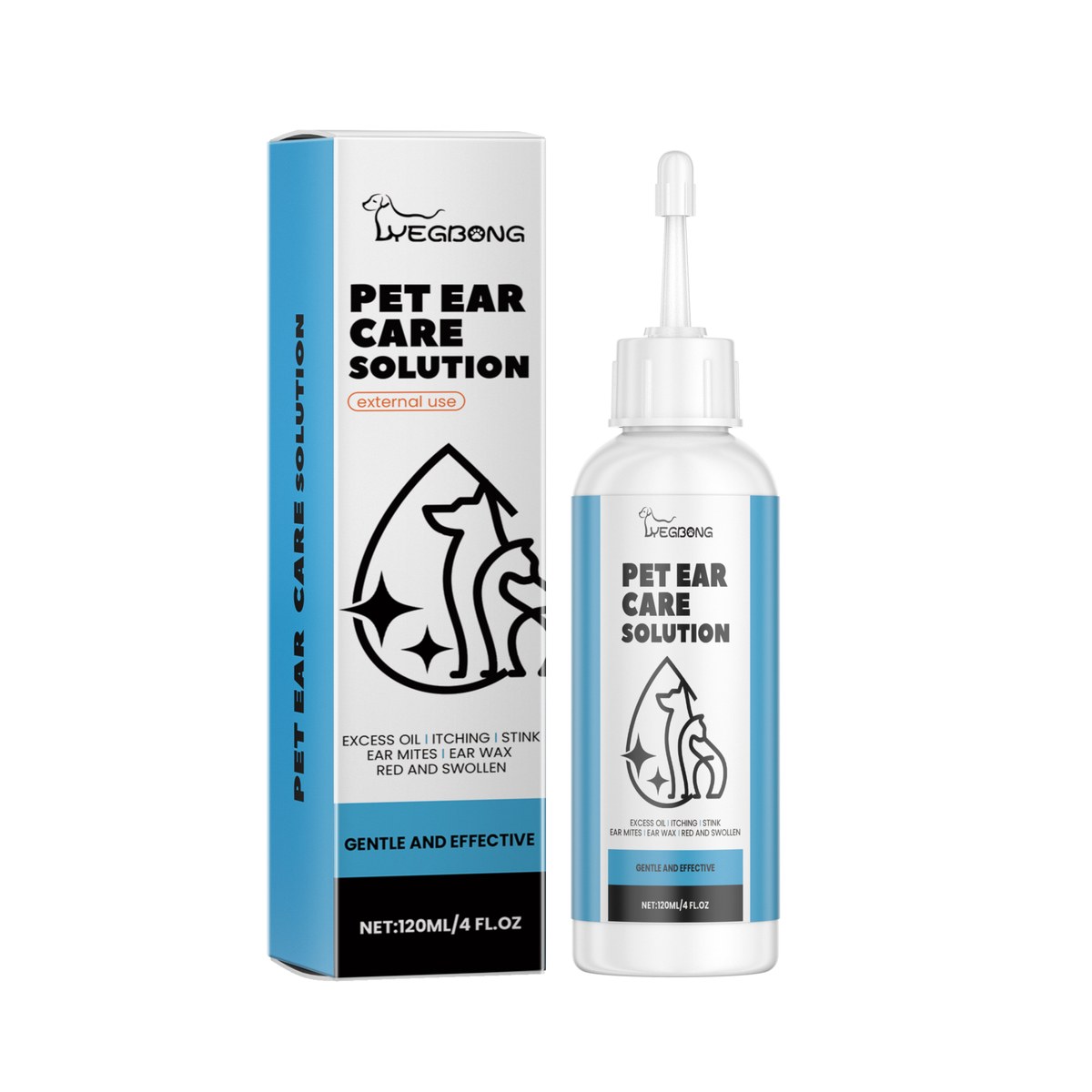
Ear care is easier when it stays simple. A quick look during regular grooming can help you notice a change, but a routine check cannot diagnose an ear problem. If an ear looks painful or different from usual, ask your veterinarian before putting anything into it.
What to notice during a quick check
Look at the part of the ear you can see without inserting anything. Notice whether there is new redness, swelling, discharge, a strong odor, or repeated head shaking and scratching. These signs can have different causes, so they are reasons to seek veterinary advice rather than to guess at a treatment.
A gentle routine
- Choose a calm moment and look at both ears in good light.
- If the outer ear is dirty, wipe only the visible area with a soft cloth or a pet ear-care product used according to its label and your veterinarian’s advice.
- Do not push cotton swabs or other objects into the ear canal.
- A healthy ear may not need frequent cleaning. Cornell’s veterinary guidance notes that over-cleaning can irritate ears and that routine cleaning is generally needed when dirt or debris is present.
When to contact your veterinarian
Contact your veterinarian if you notice persistent odor or discharge, redness, swelling, frequent scratching or head shaking, or if your dog seems uncomfortable when the ear is touched. Seek prompt care for severe pain, balance changes, or a sudden worsening. Do not use leftover medication or an ear cleaner to treat a suspected infection unless your veterinarian has advised you to do so.
For general care items, see our ear care collection. Product labels and suitability vary; a veterinarian can help you decide what is appropriate for your dog.
This article is general information, not a diagnosis or treatment plan. Follow your veterinarian’s advice for your pet.
Further reading
Cornell University College of Veterinary Medicine: How to Clean Your Dog’s Ears