

Why Cats Scratch Furniture—and How to Create Better Scratching Zones
October 15, 2026
How to Read Pet-Care Product Labels Before You Buy
October 15, 2026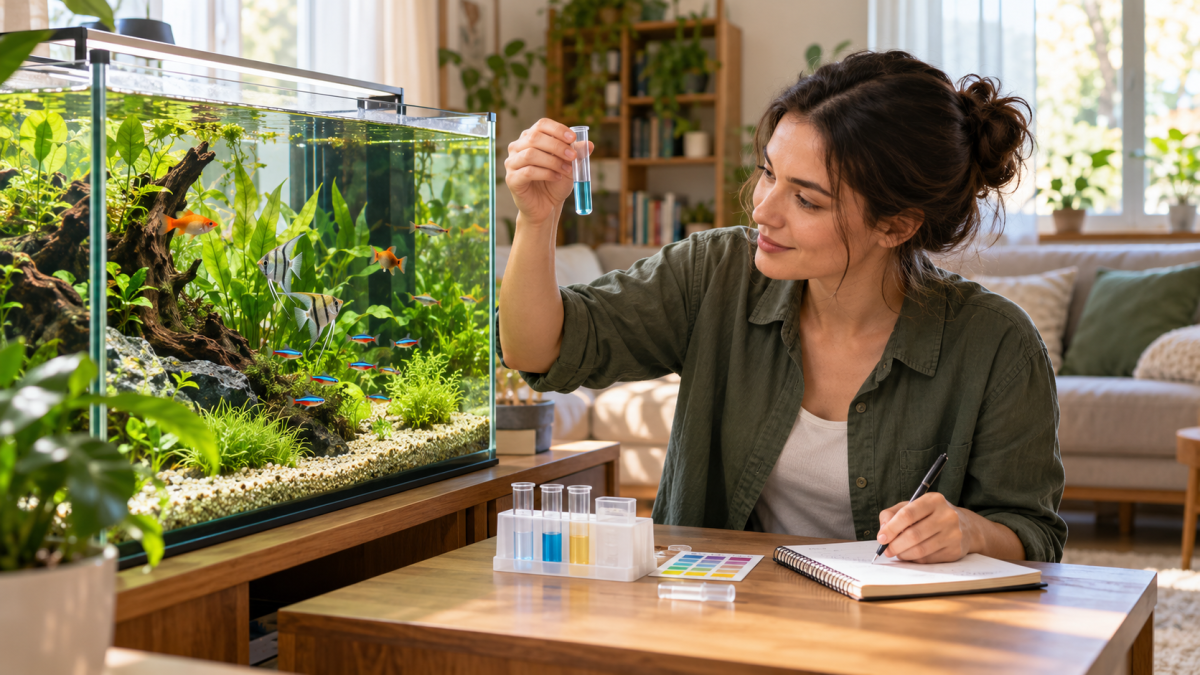
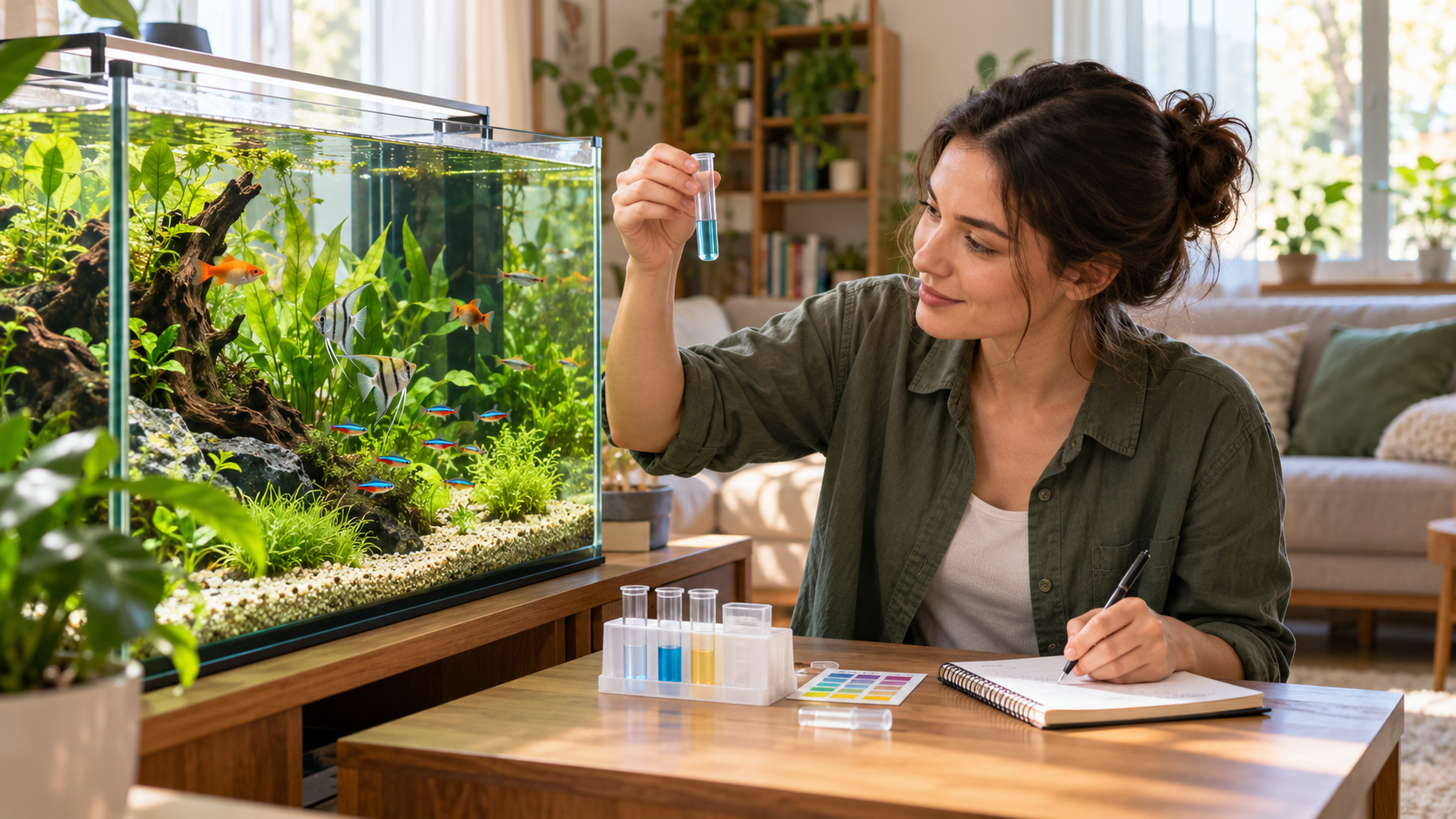
Algae can appear in freshwater aquariums for different reasons. A sudden bloom is a useful prompt to review the tank’s routine and water conditions before adding a treatment. Fish species, plants, tank size, filtration, and water source all affect what is appropriate.
Start with a tank check
- Remove visible algae with a scraper that is suitable for your tank material.
- Check the filter and water circulation are running as intended; follow the equipment maker’s maintenance instructions.
- Look for uneaten food, decaying plant matter, or other debris that may be left in the tank.
- Review the lighting schedule and whether the aquarium receives direct sunlight.
Measure instead of guessing
Water can look clear while an important parameter is out of range. Use reliable test methods for the parameters relevant to your fish and setup, and keep a simple record so you can notice trends. University of Florida IFAS notes that ammonia can build up from fish waste and decaying food and that testing is needed because it cannot be reliably detected by sight or smell.
Be cautious with treatments
Do not combine products or exceed a label direction. Check that a product is intended for your specific aquarium type and inhabitants, including fish, plants, invertebrates, and filtration. If fish are acting unusually or water-test results are concerning, contact an experienced aquarium professional or aquatic veterinarian before adding a chemical product.
Our aquarium collection includes water-care items. Read the complete label and confirm suitability for your tank before use.
This article is general aquarium-care information. It does not provide a diagnosis or treatment plan for fish.
Further reading
University of Florida IFAS Extension: Ammonia in Aquatic Systems