Bringing Home a New Pet: A First-Week Setup Checklist
October 14, 2026
Why Cats Scratch Furniture—and How to Create Better Scratching Zones
October 15, 2026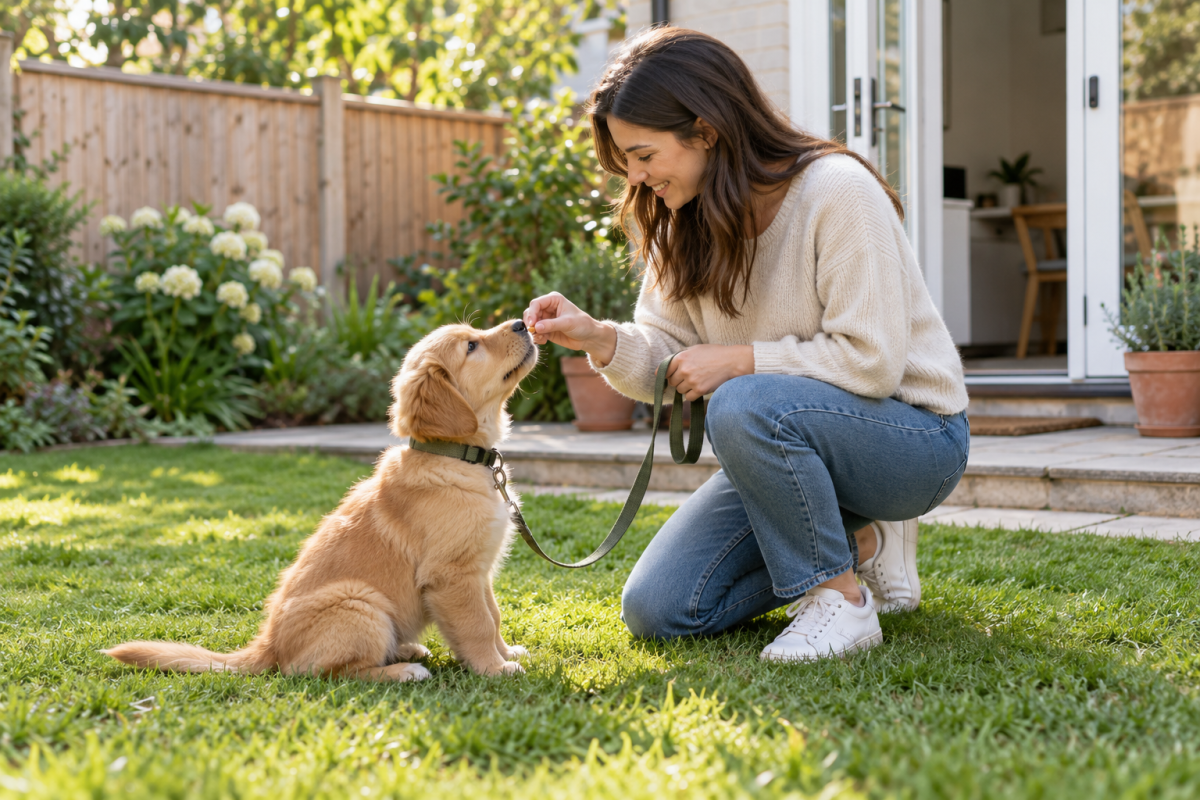
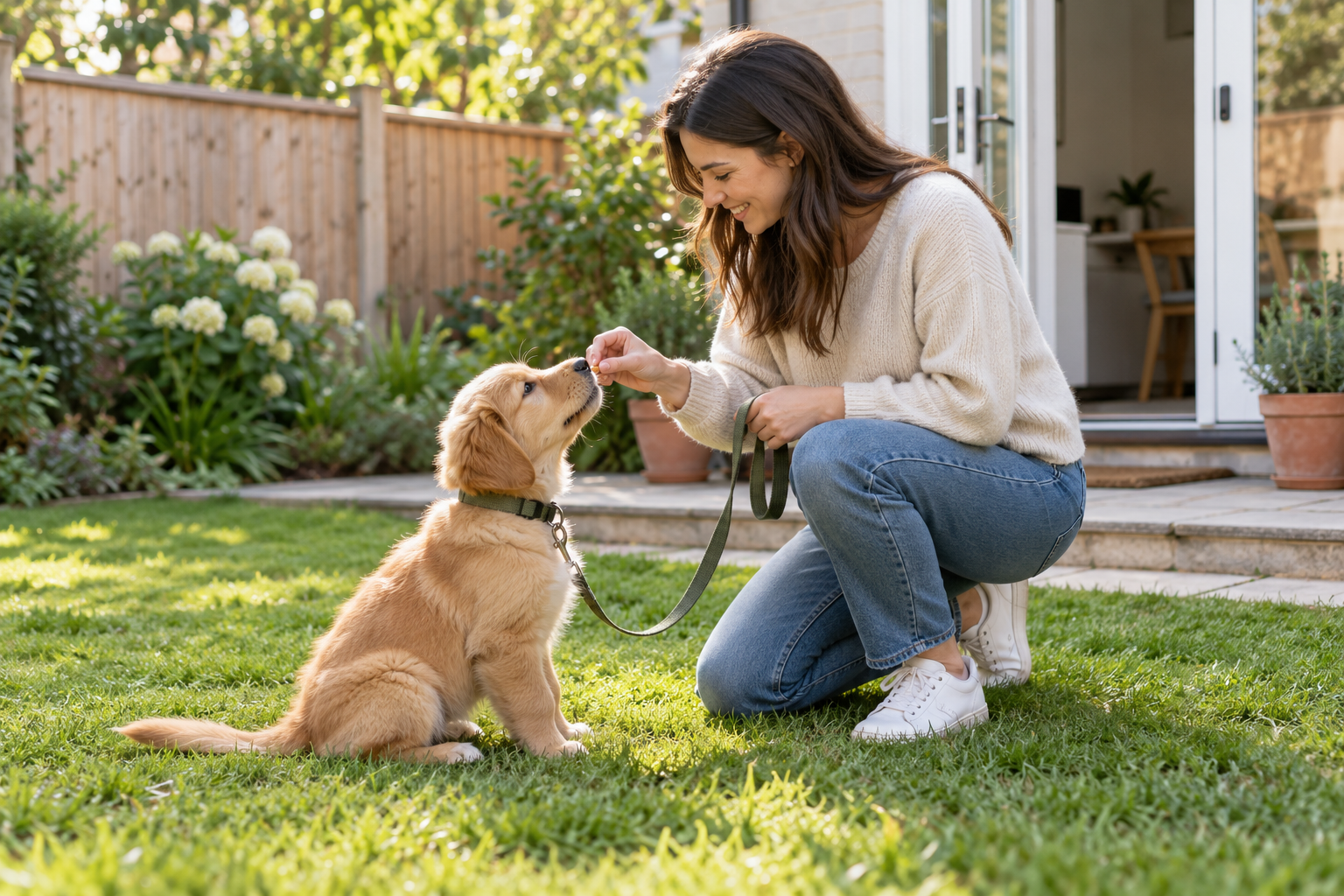
Potty training is a routine, not a one-day lesson. Your dog’s age, health, schedule, and previous experience all affect how quickly the habit develops. Keep the plan simple and reward the behavior you want to see.
Choose one clear potty area
Decide whether your goal is outdoor toileting or a designated indoor pad area. Take your dog to the same place consistently so the cue and location stay easy to understand. Keep the trip calm and give your dog time to sniff.
Use a predictable rhythm
- Offer a potty break after waking, meals, play, and naps, and before bedtime.
- Supervise closely indoors. If you cannot watch your dog, use a safe, comfortable area suited to their needs.
- Look for signs such as sniffing, circling, or moving away from the group, and guide your dog to the potty area promptly.
- When your dog succeeds, reward immediately with calm praise or a small treat.
Handle accidents without punishment
Clean an accident thoroughly and continue the routine. Scolding after the fact does not show a dog where to go; it can make training more stressful. If accidents suddenly become more frequent or your dog seems uncomfortable, check with your veterinarian because a health issue may be involved.
Track progress and adjust
A short note of meal, water, play, and potty times can help you spot patterns. As your dog becomes more reliable, give them access to new areas gradually. If progress stalls, return to closer supervision and consult a qualified trainer or your veterinarian for individual guidance.
Browse our training and behavior collection for everyday training supplies. Product directions vary, so follow each item’s label.